
Cat And Hat Template
Cat And Hat Template - To test this try running: I'm trying to use something in bash to show me the line endings in a file printed rather than interpreted. The file is a dump from ssis/sql server being read in by a linux machine for. Open a ssh session to the server cat filename copy the output to the clipboard rm filename touch filename vi. I think that something was wrong with the file. This will append data from a command to the end of a text file. Certs should be followed by the issuing cert until the last cert is issued by a known root per ietf's rfc 5246 section 7.4.2 this is a sequence (chain). 2>&1 for example, the following command shows the first few errors from compiling main.cpp: Examples of cat <<eof syntax. The original order is in fact backwards. Open a ssh session to the server cat filename copy the output to the clipboard rm filename touch filename vi. The original order is in fact backwards. To test this try running: I need to retrieve last 100 lines of logs from the log file. I think that something was wrong with the file. My cat method is similar, sending the output of a command into the while block for consumption by 'read', too, only it launches another program to get the work done. Examples of cat <<eof syntax. Echo hi this is a test >> textfile.txt do this a couple of times. I'm trying to use something in bash to show me the line endings in a file printed rather than interpreted. 2>&1 for example, the following command shows the first few errors from compiling main.cpp: So if my file has around 2m lines, i'd like to split it up into 10 files t. To combine stderr and stdout into the stdout stream, we append this to a command: How can i pipe the output of a command into my clipboard and paste it back when using a terminal? I think that something was wrong with. I think that something was wrong with the file. Examples of cat <<eof syntax. Echo hi this is a test >> textfile.txt do this a couple of times. I'm trying to use something in bash to show me the line endings in a file printed rather than interpreted. My cat method is similar, sending the output of a command into. 2>&1 for example, the following command shows the first few errors from compiling main.cpp: You can use the >> operator. Certs should be followed by the issuing cert until the last cert is issued by a known root per ietf's rfc 5246 section 7.4.2 this is a sequence (chain). The file is a dump from ssis/sql server being read in. I think that something was wrong with the file. I'm trying to use something in bash to show me the line endings in a file printed rather than interpreted. Certs should be followed by the issuing cert until the last cert is issued by a known root per ietf's rfc 5246 section 7.4.2 this is a sequence (chain). This will. 2>&1 for example, the following command shows the first few errors from compiling main.cpp: I'm trying to use something in bash to show me the line endings in a file printed rather than interpreted. I've got a large (by number of lines) plain text file that i'd like to split into smaller files, also by number of lines. Echo hi. Examples of cat <<eof syntax. This will append data from a command to the end of a text file. I'm trying to use something in bash to show me the line endings in a file printed rather than interpreted. Echo hi this is a test >> textfile.txt do this a couple of times. I've got a large (by number of. This will append data from a command to the end of a text file. I've got a large (by number of lines) plain text file that i'd like to split into smaller files, also by number of lines. The original order is in fact backwards. I need to retrieve last 100 lines of logs from the log file. To test. How can i pipe the output of a command into my clipboard and paste it back when using a terminal? Echo hi this is a test >> textfile.txt do this a couple of times. The original order is in fact backwards. Examples of cat <<eof syntax. The file is a dump from ssis/sql server being read in by a linux. The file is a dump from ssis/sql server being read in by a linux machine for. How can i pipe the output of a command into my clipboard and paste it back when using a terminal? I need to retrieve last 100 lines of logs from the log file. 2>&1 for example, the following command shows the first few errors. I'm trying to use something in bash to show me the line endings in a file printed rather than interpreted. Open a ssh session to the server cat filename copy the output to the clipboard rm filename touch filename vi. The file is a dump from ssis/sql server being read in by a linux machine for. Certs should be followed. To combine stderr and stdout into the stdout stream, we append this to a command: Open a ssh session to the server cat filename copy the output to the clipboard rm filename touch filename vi. Echo hi this is a test >> textfile.txt do this a couple of times. So if my file has around 2m lines, i'd like to split it up into 10 files t. My cat method is similar, sending the output of a command into the while block for consumption by 'read', too, only it launches another program to get the work done. I think that something was wrong with the file. This will append data from a command to the end of a text file. How can i pipe the output of a command into my clipboard and paste it back when using a terminal? To test this try running: The original order is in fact backwards. Examples of cat <<eof syntax. 2>&1 for example, the following command shows the first few errors from compiling main.cpp: Certs should be followed by the issuing cert until the last cert is issued by a known root per ietf's rfc 5246 section 7.4.2 this is a sequence (chain). I'm trying to use something in bash to show me the line endings in a file printed rather than interpreted.
Grey Tabby Cat Everything You Need To Know

Cute Kitty Eyes

Cute Baby Cat Wallpaper
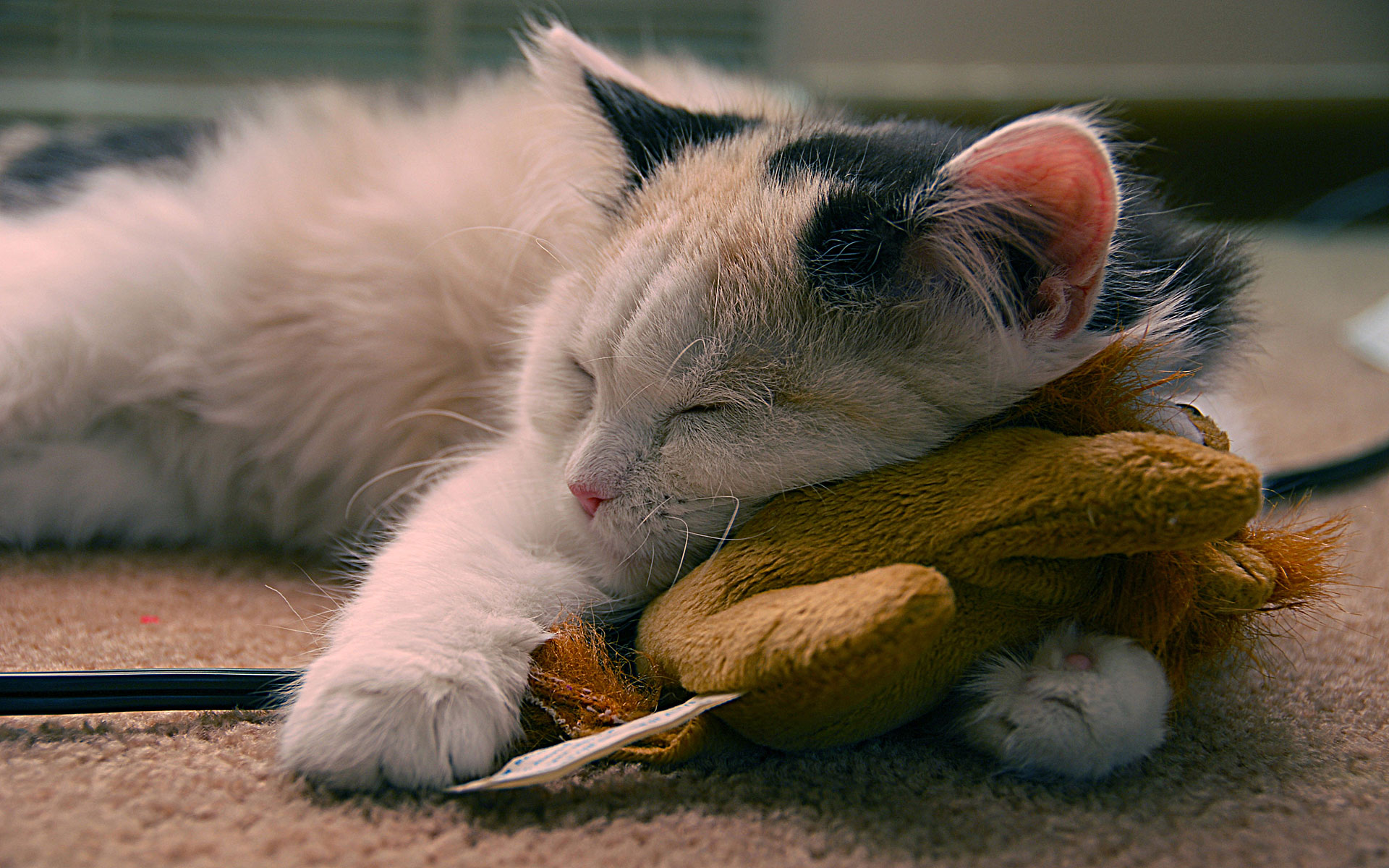
Cat Home

I CAN DIG IT part 1

Why Does My Cat Always Want To Sit On My Chest at Arthur Popp blog

Cat Breeds, Origins, History, Body Types, Senses, Behavior

30,000+ Best Cat Photos · 100 Free Download · Pexels Stock Photos

Cats Facts

Cross Eyed Animals
I've Got A Large (By Number Of Lines) Plain Text File That I'd Like To Split Into Smaller Files, Also By Number Of Lines.
I Need To Retrieve Last 100 Lines Of Logs From The Log File.
The File Is A Dump From Ssis/Sql Server Being Read In By A Linux Machine For.
You Can Use The >> Operator.
Related Post: