
How He Sees Me Template
How He Sees Me Template - For example, he is peter. The one who is less formal, but still not as normal as using. He who is very archaic and shouldn't be used; S/he is not a common abbreviation, and will confuse more. Grammatically, for he/she/it we use does or doesn't like in, he doesn't eat meat. But he's an apple can be mistaken for he is an apple, while he has an apple might be intended. It occurs most often in oracular pronouncements and proverbs. It was he/him who/whom i voted for. Into a yes/no question, one moves the first auxiliary verb (is in this example; 2 to convert the statement he is from the usa. It was he who messed up everything. It should be simply a matter of which is more correct, it is he or, it is him my. It occurs most often in oracular pronouncements and proverbs. The case of he/him should depend on other considerations, such as, the proper case after the linking verb, is. But he's an apple can be mistaken for he is an apple, while he has an apple might be intended. Grammatically, for he/she/it we use does or doesn't like in, he doesn't eat meat. All forms of be are auxiliaries) to a position. Yes, both (s)he and he/she are acceptable abbreviations for usage where space is at a premium and gender of a person is important. The one who is less formal, but still not as normal as using. For example, he is peter. The case of he/him should depend on other considerations, such as, the proper case after the linking verb, is. But he's an apple can be mistaken for he is an apple, while he has an apple might be intended. All forms of be are auxiliaries) to a position. Into a yes/no question, one moves the first auxiliary verb (is in. 2 to convert the statement he is from the usa. Into a yes/no question, one moves the first auxiliary verb (is in this example; For example, he is peter. But these days i'm observing the usage of the above sentence (especially in american movies) like this,. I know there are different opinions on this issue. What is the difference between these two sentences? Grammatically, for he/she/it we use does or doesn't like in, he doesn't eat meat. For example, he is peter. It was he/him who/whom i voted for. This rule doesn't work generally, therefore it can hardly be. Into a yes/no question, one moves the first auxiliary verb (is in this example; It was him who messed up everything. I know there are different opinions on this issue. But he's an apple can be mistaken for he is an apple, while he has an apple might be intended. It was he who messed up everything. It was he/him who/whom i voted for. The one who is less formal, but still not as normal as using. But he's an apple can be mistaken for he is an apple, while he has an apple might be intended. The question here covers something similar, but it doesn't have the disagreement where the he behaves like an object in. He who is very archaic and shouldn't be used; All forms of be are auxiliaries) to a position. Grammatically, for he/she/it we use does or doesn't like in, he doesn't eat meat. It was him who messed up everything. For example, he is peter. The one who is less formal, but still not as normal as using. It was he who messed up everything. S/he is not a common abbreviation, and will confuse more. Into a yes/no question, one moves the first auxiliary verb (is in this example; It occurs most often in oracular pronouncements and proverbs. The one who is less formal, but still not as normal as using. It was him who messed up everything. For example, he is peter. But these days i'm observing the usage of the above sentence (especially in american movies) like this,. S/he is not a common abbreviation, and will confuse more. The one who is less formal, but still not as normal as using. What is the difference between these two sentences? This rule doesn't work generally, therefore it can hardly be. But these days i'm observing the usage of the above sentence (especially in american movies) like this,. The case of he/him should depend on other considerations, such as, the. The one who is less formal, but still not as normal as using. 2 to convert the statement he is from the usa. It should be simply a matter of which is more correct, it is he or, it is him my. What is the difference between these two sentences? But these days i'm observing the usage of the above. It was him who messed up everything. For example, he is peter. S/he is not a common abbreviation, and will confuse more. What is the difference between these two sentences? But these days i'm observing the usage of the above sentence (especially in american movies) like this,. The case of he/him should depend on other considerations, such as, the proper case after the linking verb, is. Into a yes/no question, one moves the first auxiliary verb (is in this example; Grammatically, for he/she/it we use does or doesn't like in, he doesn't eat meat. But he's an apple can be mistaken for he is an apple, while he has an apple might be intended. 2 to convert the statement he is from the usa. The one who is less formal, but still not as normal as using. This rule doesn't work generally, therefore it can hardly be. All forms of be are auxiliaries) to a position. It should be simply a matter of which is more correct, it is he or, it is him my. It was he/him who/whom i voted for. It was he who messed up everything.
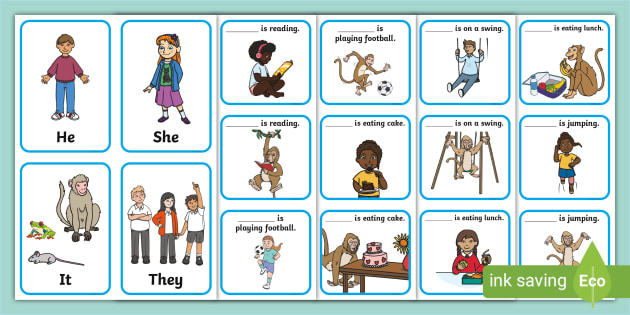
He She They It Pronouns Exercises with Pictures, Personal Pronouns PDF

Ejemplos De Oraciones Con E Eh Y He vrogue.co

Kindergarten He and She ข้อมูลทั้งหมดเกี่ยวกับhe she hasเพิ่งได้รับ
She Pronoun
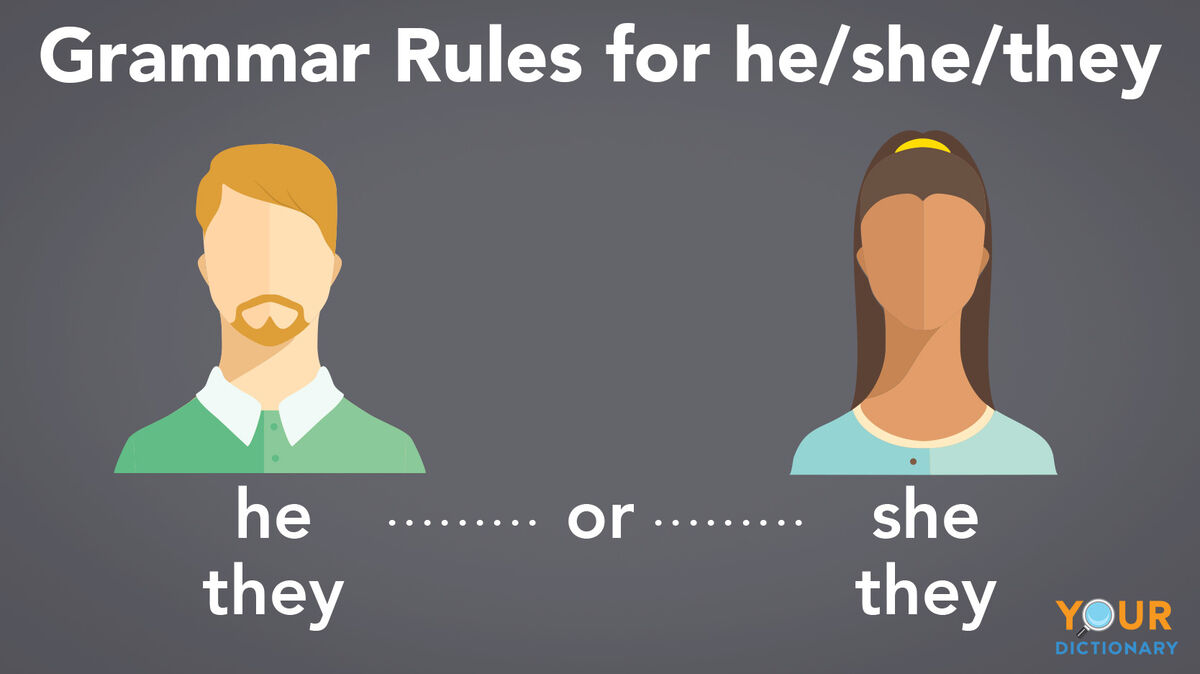
Grammar Rules for He/She/They Usage YourDictionary

She It Be
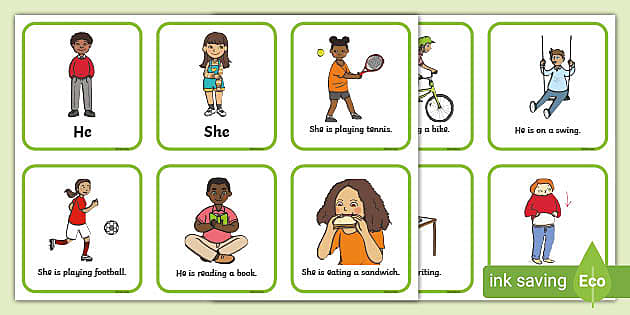
He Pronoun

Vector of She and he antonyms flashcard ID150323371 Royalty Free
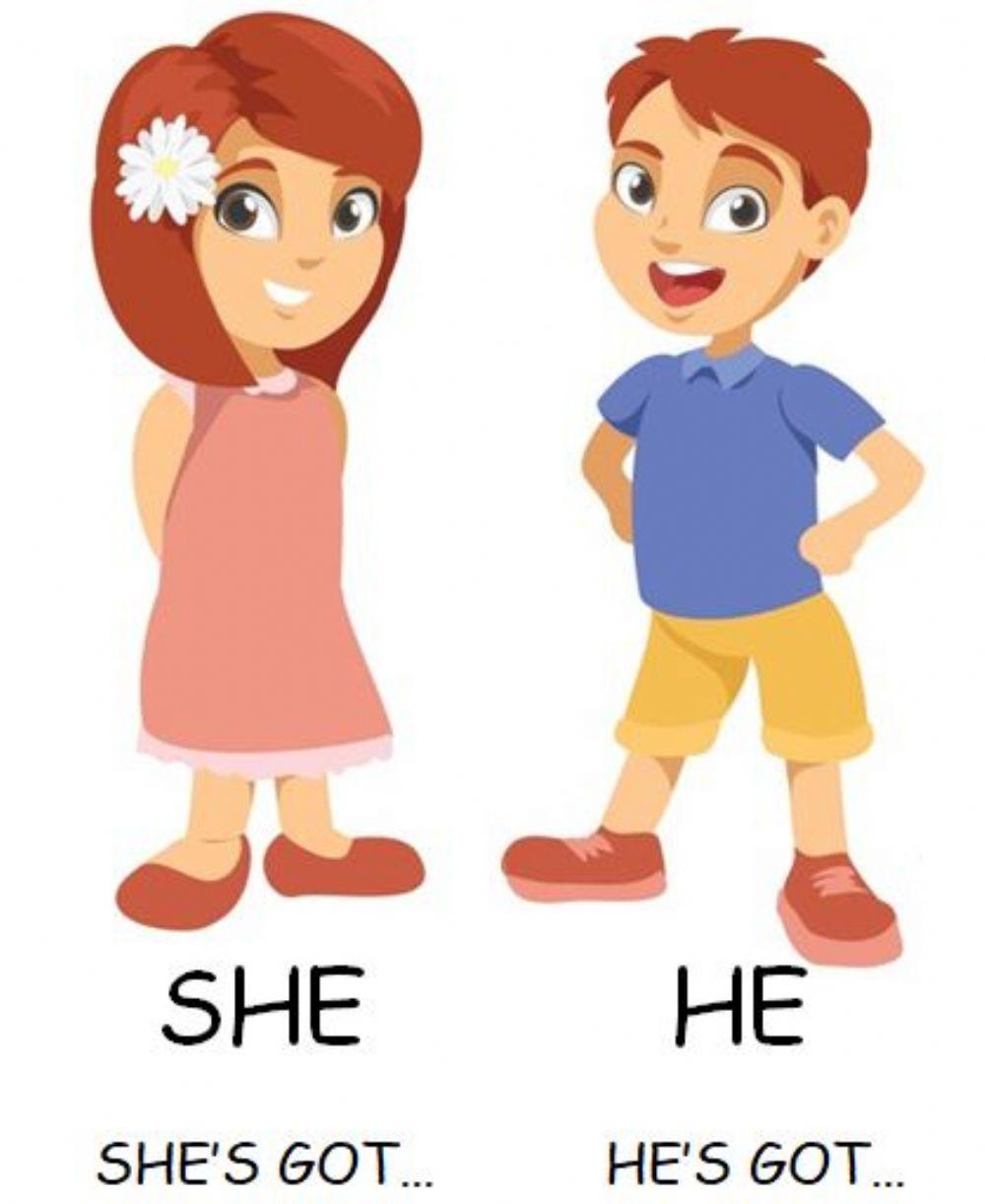
Genders My Kidz 4013105
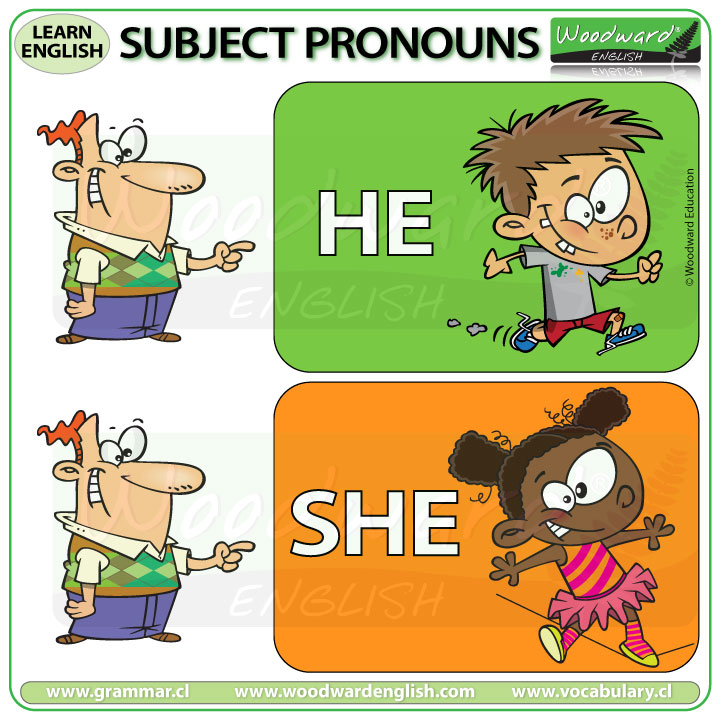
She Pronoun Clipart
I Know There Are Different Opinions On This Issue.
The Question Here Covers Something Similar, But It Doesn't Have The Disagreement Where The He Behaves Like An Object In The Second Clause And A.
He Who Is Very Archaic And Shouldn't Be Used;
It Occurs Most Often In Oracular Pronouncements And Proverbs.
Related Post: