
Trauma Narrative Template
Trauma Narrative Template - Longer term reactions include unpredictable. Trauma refers to your response following an event that psychologically overwhelms you, often resulting in shock, denial, and changes in the body, mind, and. A trauma response is an automatic reaction — emotional, physical or behavioral — to a past traumatic experience. Learn the causes, symptoms, and treatments. What is a trauma response? Discover how your past can impact your future with this comprehensive guide to the different types of trauma. Trauma is an emotional response to a terrible event like an accident, crime, or natural disaster. A person can experience trauma after any situation that they find distressing or threatening. Reactions such as shock and denial are typical. Trauma is an emotional response that is caused by a distressing event or series of events, such as abuse, a bad accident, rape, or other sexual violence, combat, or a natural. About 60% of men and 50% of women in america will experience trauma at least once in their lives, with 12 million us adults suffering from ptsd during any given year. Info sheet offers a basic overview of trauma, including a definition, information about risk factors, symptoms, and common treatments. Discover how your past can impact your future with this comprehensive guide to the different types of trauma. Trauma is an emotional response to a terrible event like an accident, crime, or natural disaster. Longer term reactions include unpredictable. Trauma is an emotional response that is caused by a distressing event or series of events, such as abuse, a bad accident, rape, or other sexual violence, combat, or a natural. Children as well as adults are susceptible to trauma. Reactions such as shock and denial are typical. What is a trauma response? Trauma refers to your response following an event that psychologically overwhelms you, often resulting in shock, denial, and changes in the body, mind, and. Info sheet offers a basic overview of trauma, including a definition, information about risk factors, symptoms, and common treatments. Trauma is an emotional response to a terrible event like an accident, crime, or natural disaster. About 60% of men and 50% of women in america will experience trauma at least once in their lives, with 12 million us adults suffering. Trauma is an emotional response to a horrifying, stressful, or dangerous event, relationship, or circumstance that threatens or harms a person’s health and. Trauma is an emotional response that is caused by a distressing event or series of events, such as abuse, a bad accident, rape, or other sexual violence, combat, or a natural. Children as well as adults are. Discover how your past can impact your future with this comprehensive guide to the different types of trauma. Longer term reactions include unpredictable. Trauma is an emotional response that is caused by a distressing event or series of events, such as abuse, a bad accident, rape, or other sexual violence, combat, or a natural. About 60% of men and 50%. A trauma response is an automatic reaction — emotional, physical or behavioral — to a past traumatic experience. Discover how your past can impact your future with this comprehensive guide to the different types of trauma. Trauma is an emotional response to a horrifying, stressful, or dangerous event, relationship, or circumstance that threatens or harms a person’s health and. Trauma. Trauma refers to your response following an event that psychologically overwhelms you, often resulting in shock, denial, and changes in the body, mind, and. Discover how your past can impact your future with this comprehensive guide to the different types of trauma. Reactions such as shock and denial are typical. A trauma response is an automatic reaction — emotional, physical. Discover how your past can impact your future with this comprehensive guide to the different types of trauma. A trauma response is an automatic reaction — emotional, physical or behavioral — to a past traumatic experience. Learn the causes, symptoms, and treatments. Trauma is an emotional response that is caused by a distressing event or series of events, such as. A trauma response is an automatic reaction — emotional, physical or behavioral — to a past traumatic experience. Reactions such as shock and denial are typical. Discover how your past can impact your future with this comprehensive guide to the different types of trauma. Shock, fear, anger, sadness, difficulty concentrating, and a sense of helplessness are common features of the. Info sheet offers a basic overview of trauma, including a definition, information about risk factors, symptoms, and common treatments. Shock, fear, anger, sadness, difficulty concentrating, and a sense of helplessness are common features of the immediate trauma. Learn the causes, symptoms, and treatments. Discover how your past can impact your future with this comprehensive guide to the different types of. Longer term reactions include unpredictable. Trauma is an emotional response to a horrifying, stressful, or dangerous event, relationship, or circumstance that threatens or harms a person’s health and. What is a trauma response? Trauma is an emotional response to a terrible event like an accident, crime, or natural disaster. Reactions such as shock and denial are typical. What is a trauma response? Learn the causes, symptoms, and treatments. A person can experience trauma after any situation that they find distressing or threatening. About 60% of men and 50% of women in america will experience trauma at least once in their lives, with 12 million us adults suffering from ptsd during any given year. Trauma is an emotional. Learn the causes, symptoms, and treatments. Discover how your past can impact your future with this comprehensive guide to the different types of trauma. A trauma response is an automatic reaction — emotional, physical or behavioral — to a past traumatic experience. Children as well as adults are susceptible to trauma. Info sheet offers a basic overview of trauma, including a definition, information about risk factors, symptoms, and common treatments. A person can experience trauma after any situation that they find distressing or threatening. Trauma refers to your response following an event that psychologically overwhelms you, often resulting in shock, denial, and changes in the body, mind, and. What is a trauma response? Trauma is an emotional response that is caused by a distressing event or series of events, such as abuse, a bad accident, rape, or other sexual violence, combat, or a natural. About 60% of men and 50% of women in america will experience trauma at least once in their lives, with 12 million us adults suffering from ptsd during any given year. Trauma is an emotional response to a horrifying, stressful, or dangerous event, relationship, or circumstance that threatens or harms a person’s health and. Trauma is an emotional response to a terrible event like an accident, crime, or natural disaster.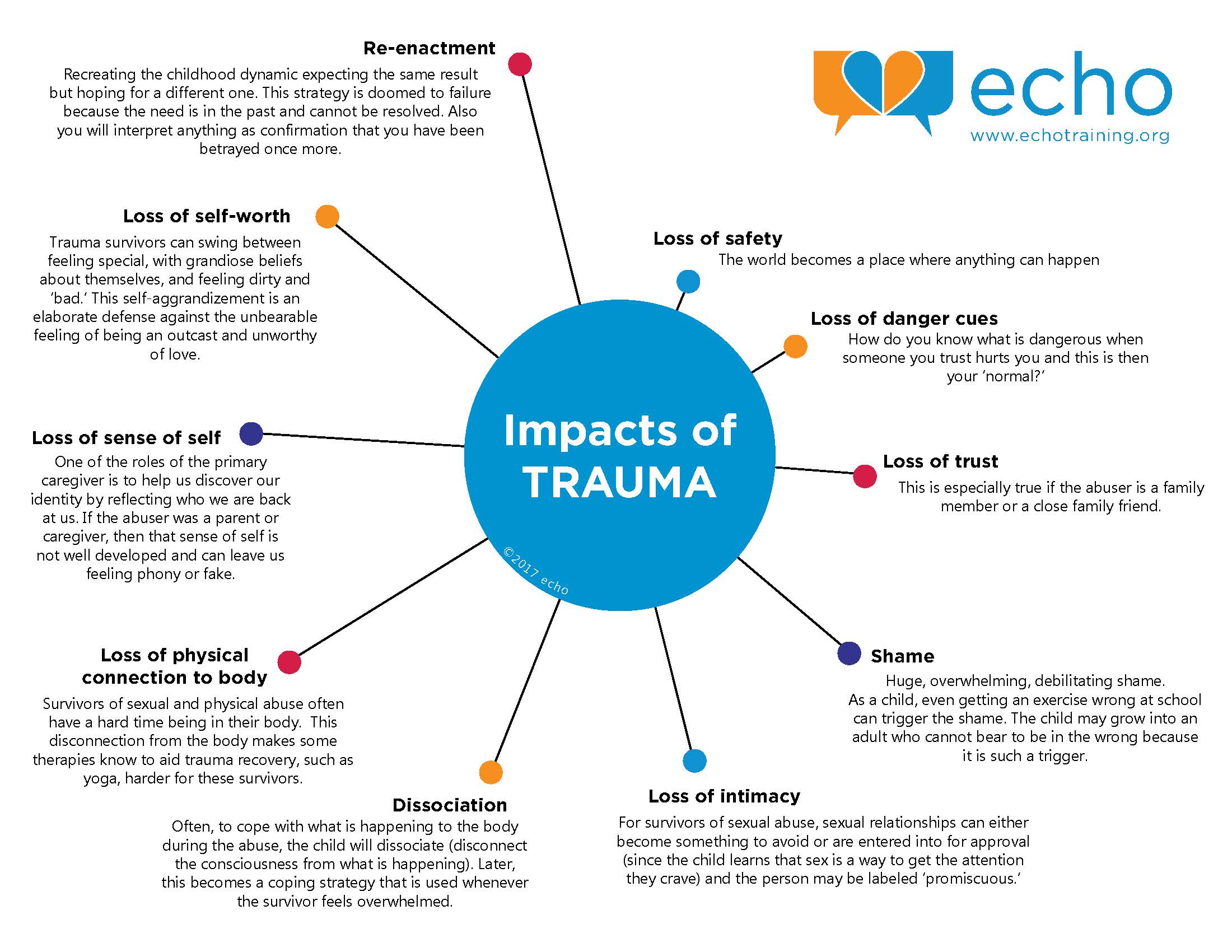
The Impact of Trauma Echo
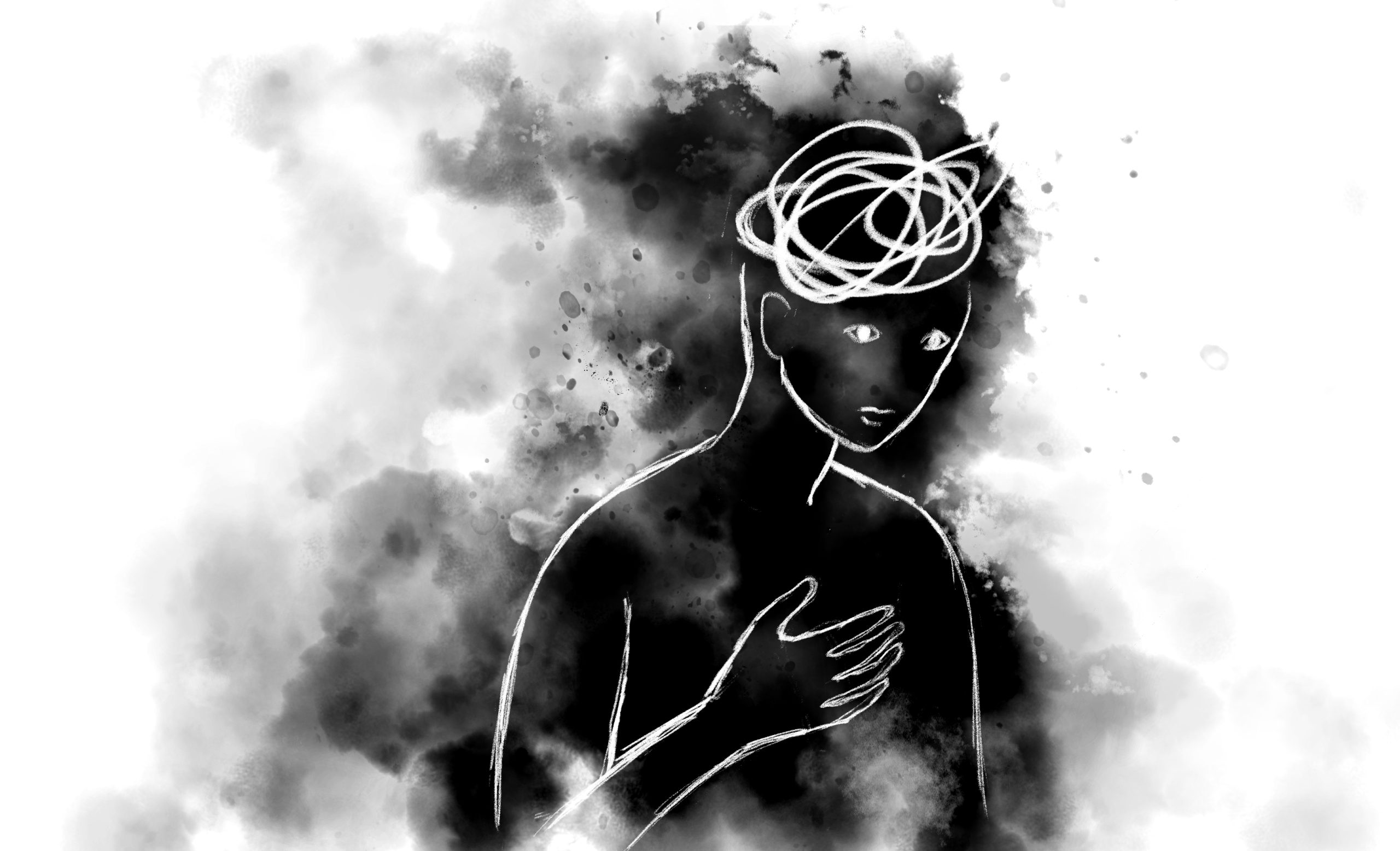
Vicarious trauma Women's Healthcare
14,400 Emotional trauma Images, Stock Photos & Vectors Shutterstock
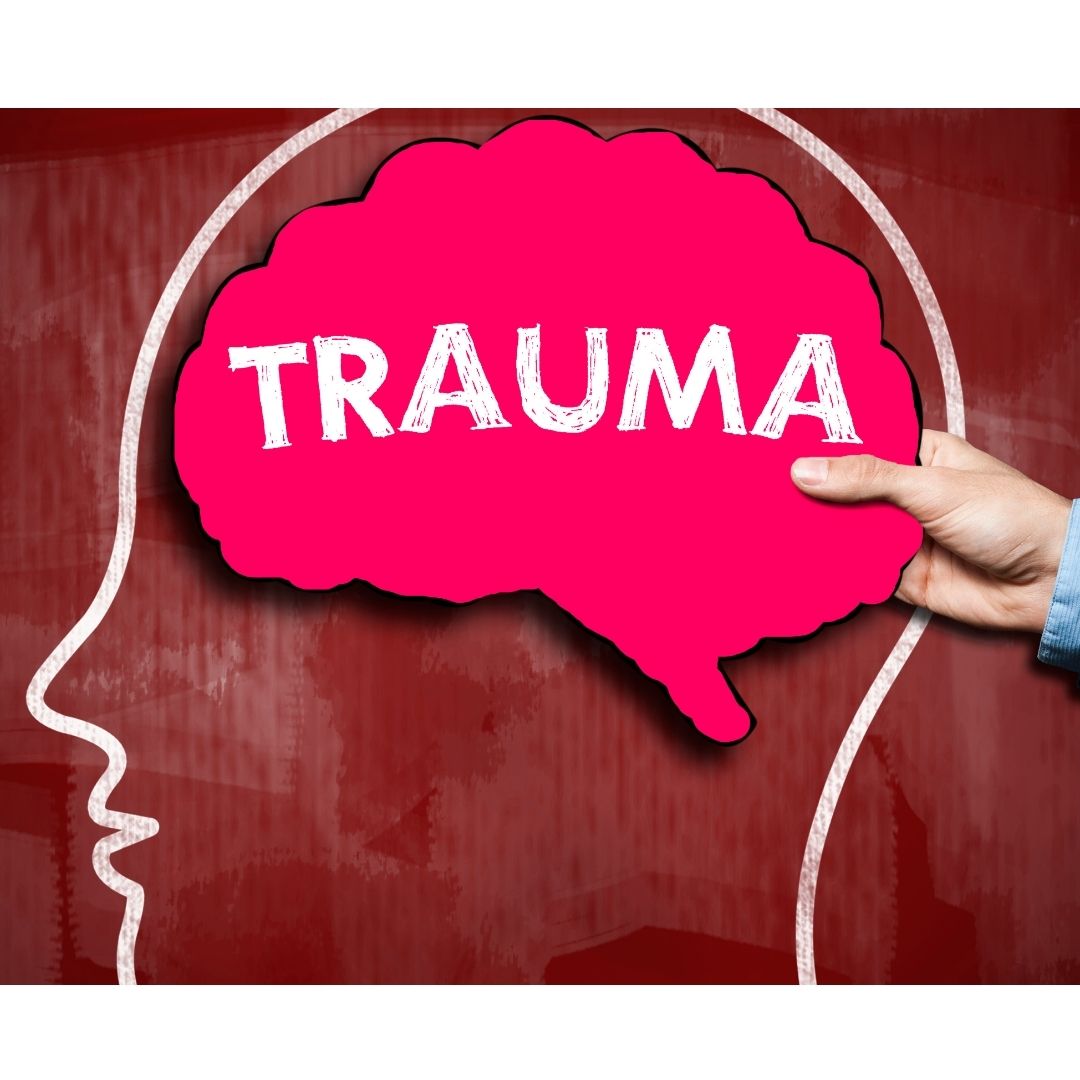
You Can Heal Trauma J&R Clinical Psychologists Perth
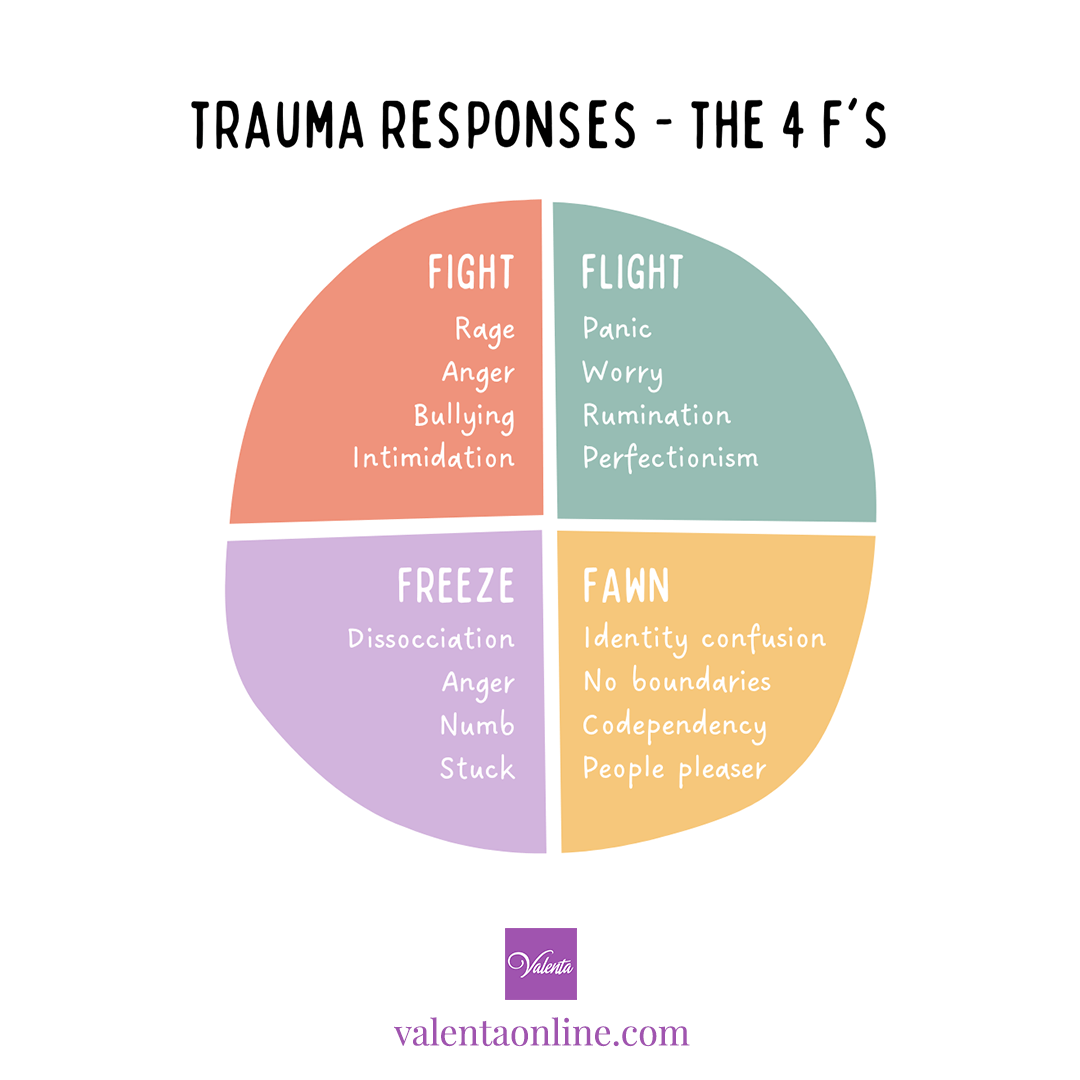
The 4 Trauma Responses Fight, Flight, Freeze, Fawn · Valenta Mental Health
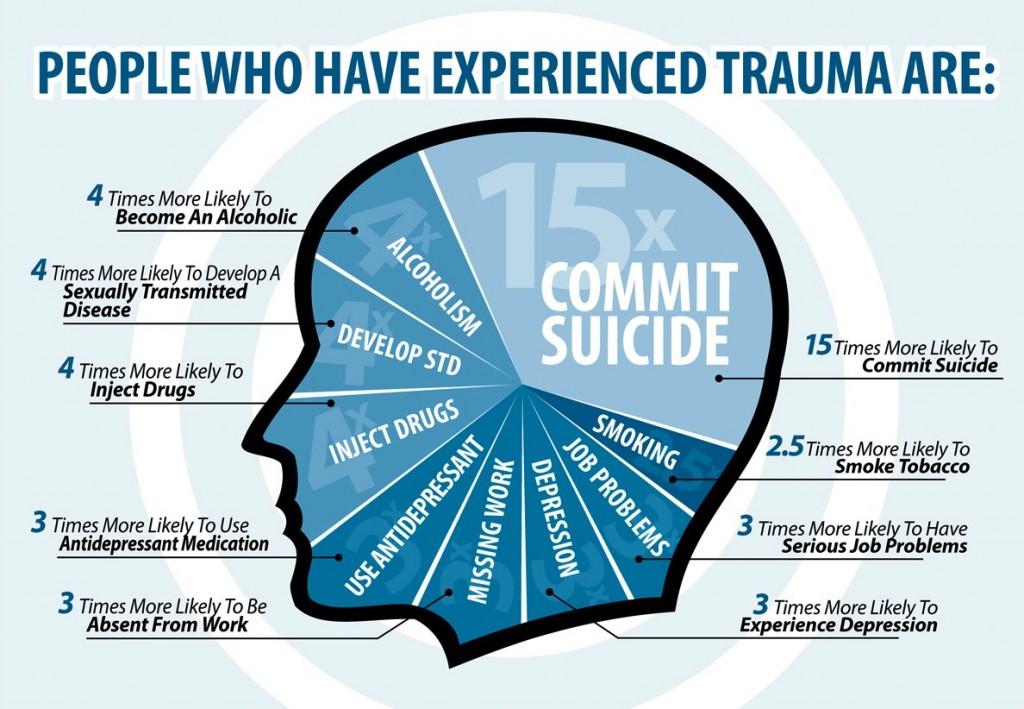
Managing Trauma Symptoms CW Psychological Services
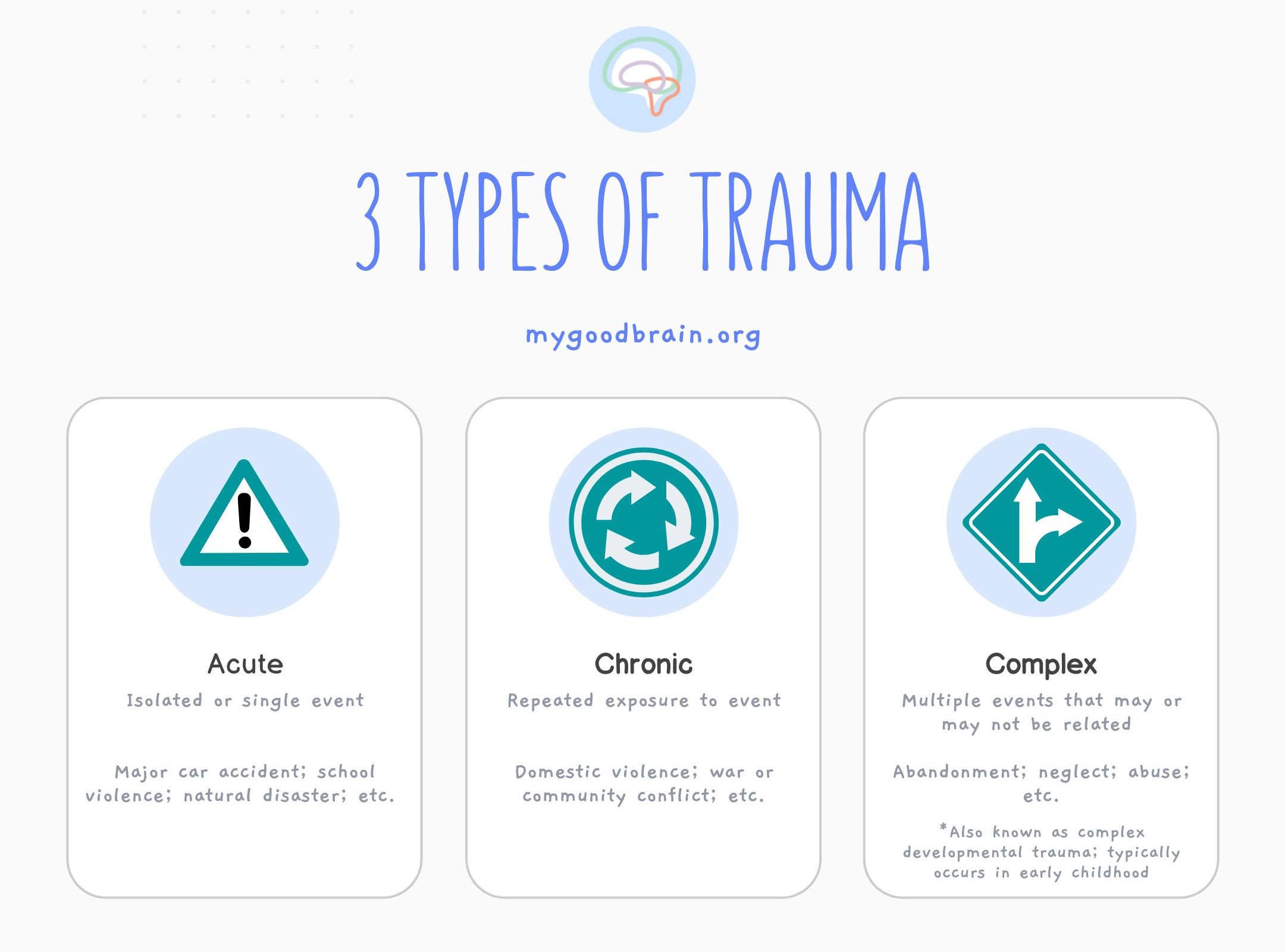
Understanding Trauma — My Good Brain

1 Childhood Trauma Test ACE's HEAL Behavioral Health

Dealing with PTSD and Trauma. Youth Aspiring Promoting & Supporting
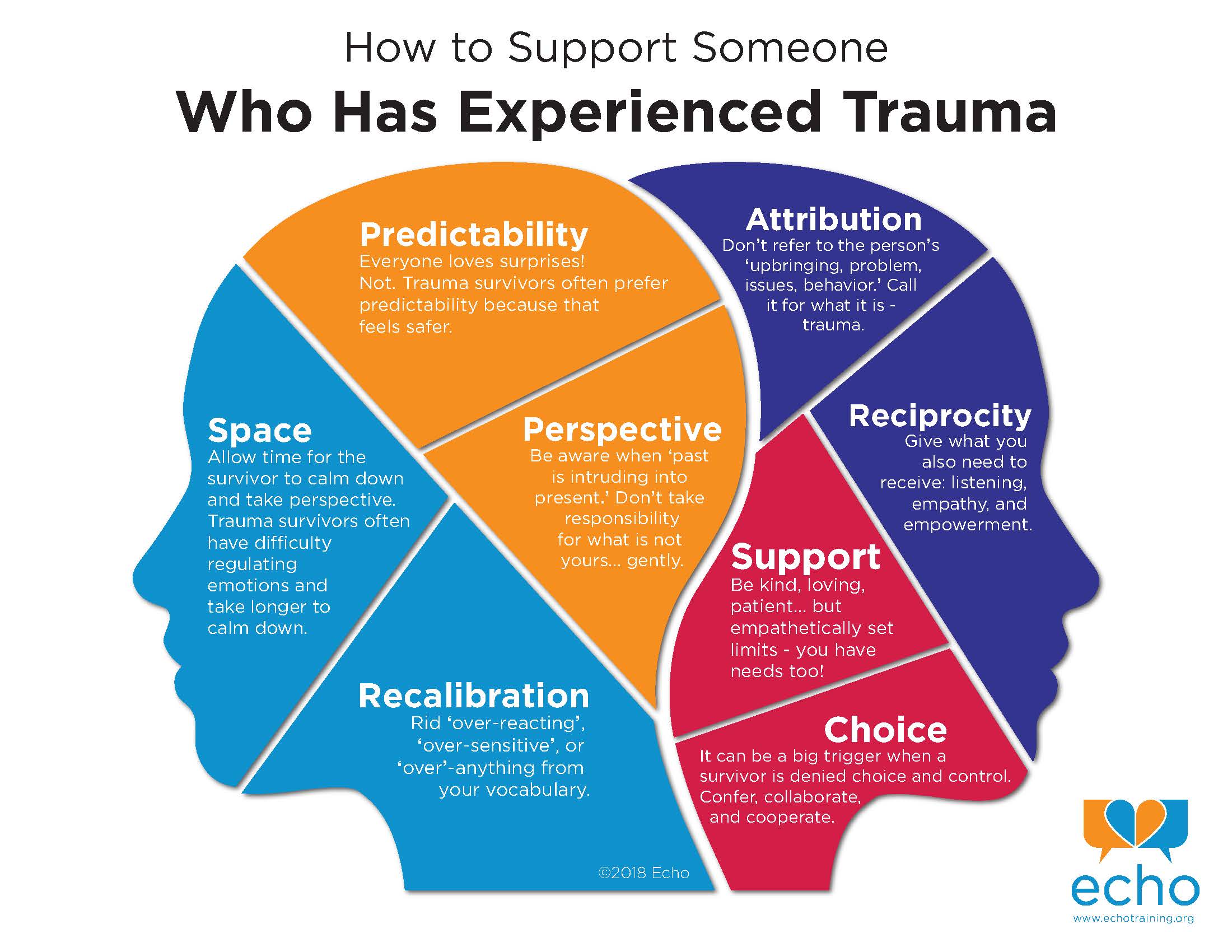
How to Support Someone (Like Me!) Who Has Experienced Trauma
Shock, Fear, Anger, Sadness, Difficulty Concentrating, And A Sense Of Helplessness Are Common Features Of The Immediate Trauma.
Longer Term Reactions Include Unpredictable.
Reactions Such As Shock And Denial Are Typical.
Related Post: