
Xml Templating
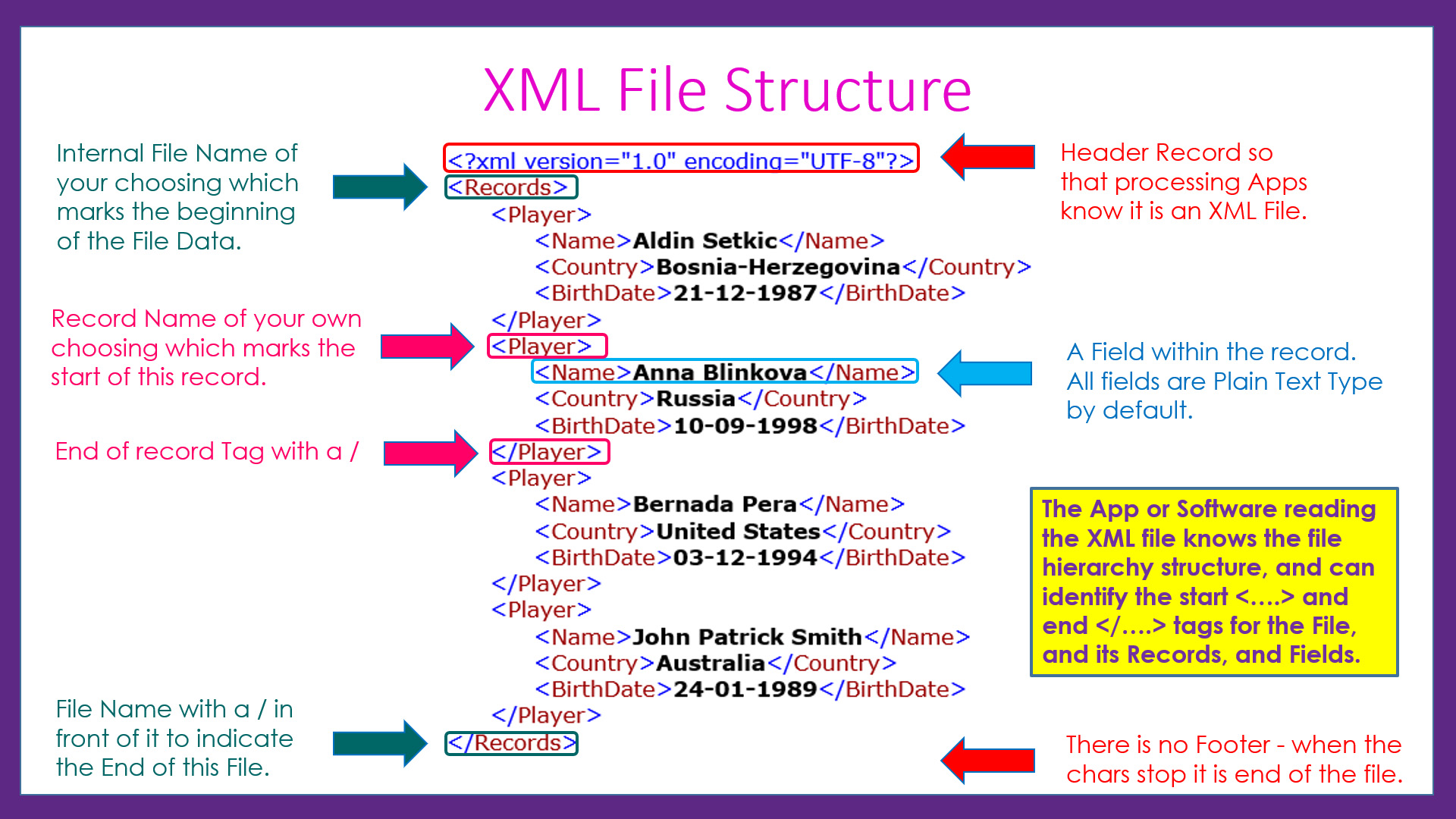
Xml Templating - Xml (extensible markup language) is a markup language similar to html, but without predefined tags to use. It does this through the. Extensible markup language (xml) is a markup language and file format for storing, transmitting, and reconstructing data. It is similar to html in that it uses tags to define the structure of the data, but. Extensible markup language (xml) is a simple, very flexible text format derived from sgml (iso 8879). Xml (extensible markup language) is used to store, transport and exchange data between applications, platforms and organizations. Xml also makes it easier to expand or upgrade to new. Instead, you define your own tags designed specifically for. Xml (extensible markup language) is a widely used format for storing and exchanging data across various systems. Xml stands for extensible markup language. Xml (extensible markup language) is used to store, transport and exchange data between applications, platforms and organizations. Xml (extensible markup language) is a markup language similar to html, but without predefined tags to use. It is often used to describe the structure of. It defines a set of rules for encoding documents in a format that is. It is similar to html in that it uses tags to define the structure of the data, but. Extensible markup language (xml) is a simple, very flexible text format derived from sgml (iso 8879). Xml also makes it easier to expand or upgrade to new. Xml stands for extensible markup language. Xml stores data in plain text format. Instead, you define your own tags designed specifically for. Xml stands for extensible markup language. It does this through the. Extensible markup language (xml) is a simple, very flexible text format derived from sgml (iso 8879). Learn xml with our comprehensive tutorial covering the basics, syntax, and advanced features for effective data representation. Xml (extensible markup language) is used to store, transport and exchange data between applications, platforms and. Instead, you define your own tags designed specifically for. Xml stands for extensible markup language. Extensible markup language (xml) is a markup language and file format for storing, transmitting, and reconstructing data. It defines a set of rules for encoding documents in a format that is. Xml (extensible markup language) is a widely used format for storing and exchanging data. Xml (extensible markup language) is used to store, transport and exchange data between applications, platforms and organizations. It does this through the. It is similar to html in that it uses tags to define the structure of the data, but. Xml also makes it easier to expand or upgrade to new. Xml stores data in plain text format. Xml stands for extensible markup language. It is similar to html in that it uses tags to define the structure of the data, but. It defines a set of rules for encoding documents in a format that is. Xml (extensible markup language) is a widely used format for storing and exchanging data across various systems. Xml also makes it easier. Xml is a markup language created by the world wide web consortium (w3c) to define a syntax for encoding documents that both humans and machines could read. Extensible markup language (xml) is a simple, very flexible text format derived from sgml (iso 8879). Xml (extensible markup language) is a markup language similar to html, but without predefined tags to use.. Extensible markup language (xml) is a simple, very flexible text format derived from sgml (iso 8879). It does this through the. Xml (extensible markup language) is a markup language similar to html, but without predefined tags to use. Xml (extensible markup language) is used to store, transport and exchange data between applications, platforms and organizations. Extensible markup language (xml) is. It is similar to html in that it uses tags to define the structure of the data, but. Xml is a markup language created by the world wide web consortium (w3c) to define a syntax for encoding documents that both humans and machines could read. Xml (extensible markup language) is a markup language similar to html, but without predefined tags. Xml was designed to store and transport data. Xml stands for extensible markup language. Xml (extensible markup language) is used to store, transport and exchange data between applications, platforms and organizations. It defines a set of rules for encoding documents in a format that is. It is similar to html in that it uses tags to define the structure of. Xml also makes it easier to expand or upgrade to new. Instead, you define your own tags designed specifically for. It defines a set of rules for encoding documents in a format that is. Extensible markup language (xml) is a markup language and file format for storing, transmitting, and reconstructing data. Extensible markup language (xml) is a simple, very flexible. Xml also makes it easier to expand or upgrade to new. It defines a set of rules for encoding documents in a format that is. Xml stores data in plain text format. Learn xml with our comprehensive tutorial covering the basics, syntax, and advanced features for effective data representation. Extensible markup language (xml) is a markup language and file format. Instead, you define your own tags designed specifically for. Xml also makes it easier to expand or upgrade to new. Xml (extensible markup language) is a widely used format for storing and exchanging data across various systems. Xml (extensible markup language) is a markup language similar to html, but without predefined tags to use. Learn xml with our comprehensive tutorial covering the basics, syntax, and advanced features for effective data representation. Extensible markup language (xml) is a simple, very flexible text format derived from sgml (iso 8879). Xml stores data in plain text format. It does this through the. Xml is a markup language created by the world wide web consortium (w3c) to define a syntax for encoding documents that both humans and machines could read. It is similar to html in that it uses tags to define the structure of the data, but. Xml was designed to store and transport data. Extensible markup language (xml) is a markup language and file format for storing, transmitting, and reconstructing data.
vector drawable xml to png online

XML Schema Document Type And Structure OpenXmlDeveloper

Qué es XML (Extensible Markup Language, o sus siglas XML)
:max_bytes(150000):strip_icc()/proxy.duckduckgo.com-09ebeafb688a4430aea8c1ea27b751a7.jpg)
What Is an XML File? (And How to Open One)
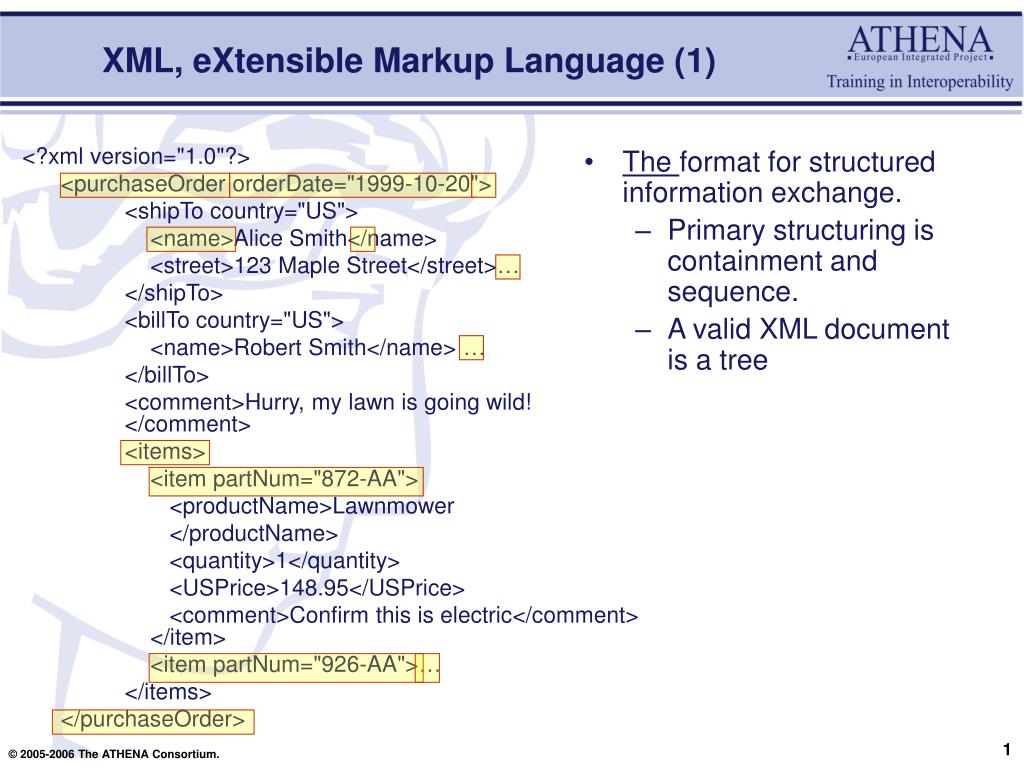
PPT XML, eXtensible Markup Language (1) PowerPoint Presentation, free

Qué es XML (Extensible Markup Language, o sus siglas XML)
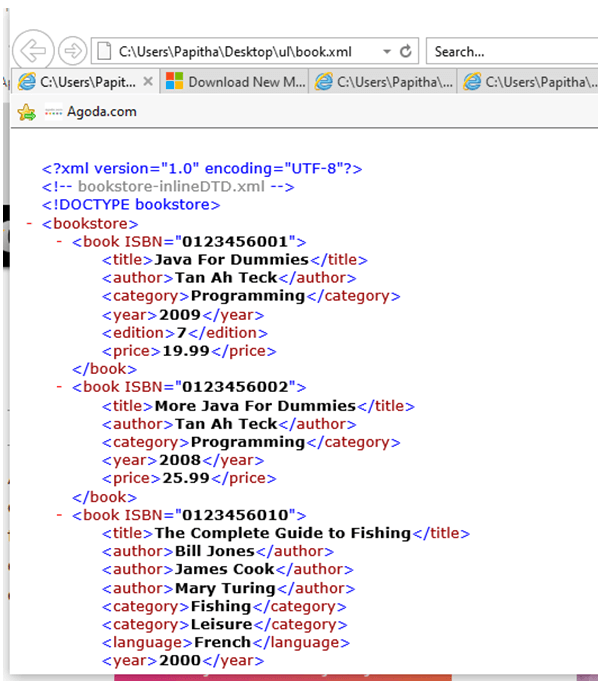
XML File How File works in XML with Different Examples
A Extensible Markup Language XML 1.0 de 1998 MCC Museu Capixaba do
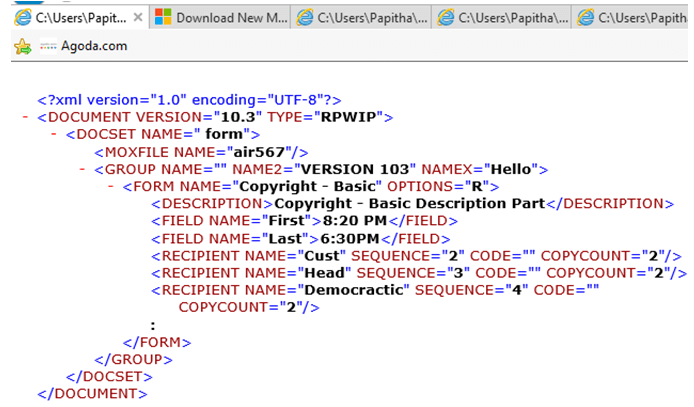
Xml Formatter Formatting Of MySQL Into Report For .xml Export
Xml Calendar Format Rene Vallie
Xml (Extensible Markup Language) Is Used To Store, Transport And Exchange Data Between Applications, Platforms And Organizations.
It Defines A Set Of Rules For Encoding Documents In A Format That Is.
It Is Often Used To Describe The Structure Of.
Xml Stands For Extensible Markup Language.
Related Post: